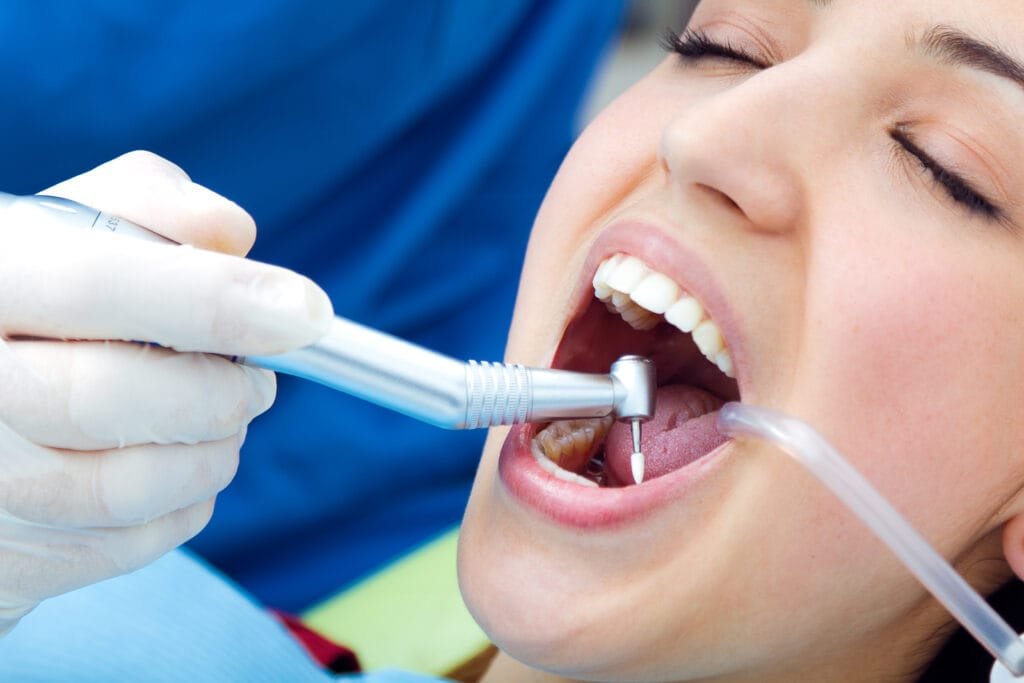
A badly worn, broken, missing, or repeatedly treated set of teeth can make everyday eating feel harder than it should. Sometimes the problem is not one tooth at all — it is the way several teeth, gums, the bite, and existing dental work have changed together. Full Mouth Rehabilitation is designed for these more complicated situations, bringing different dental treatments together to rebuild function, comfort, and appearance.
It does not mean that every tooth needs a crown or that every patient needs implants. The treatment plan depends on what is healthy, what can be saved, and what has already been damaged.
What Is Full Mouth Rehabilitation?
Full Mouth Rehabilitation is a planned combination of restorative and preventive dental treatments used to restore multiple teeth and improve how the mouth functions as a whole. Depending on the patient’s needs, treatment may include crowns, bridges, dental implants, fillings, root canal treatment, periodontal care, dentures, or carefully planned bite correction.
The term “bite” refers to how the upper and lower teeth meet when you close your mouth or chew. In a complex case, getting individual teeth looking good is only part of the job. The restorations also need to work together when you bite, speak, and chew.
A 2021 systematic review found that there is no single Full Mouth Rehabilitation philosophy that suits every patient. Different clinical approaches have been described, which supports the need for an individual treatment plan rather than a fixed recipe.
Who May Need Full Mouth Rehabilitation?
You may be considered for Full Mouth Rehabilitation if several dental problems are affecting you at the same time. Common situations include:
- Multiple missing teeth
- Heavily worn or shortened teeth
- Repeatedly broken fillings, crowns, or bridges
- Extensive tooth decay
- Teeth weakened after several root canal treatments
- Advanced tooth wear from grinding or other causes
- Problems chewing because of damaged or missing teeth
- Severe changes in the bite
- A combination of dental and gum problems
Tooth wear deserves particular attention. A patient may come in complaining that “my crowns keep breaking,” but the real issue can sometimes involve the way the teeth meet or excessive forces from grinding.
Recent research on minimally invasive full-mouth rehabilitation for moderate-to-severe tooth wear found generally good clinical performance across several restorative materials and techniques, although complications such as restoration fracture can still occur.
Full Mouth Dental Restoration Is Not the Same for Everyone
One person may need several crowns and bridges while another may need periodontal treatment followed by implants. Someone else may have enough sound tooth structure to avoid more invasive procedures altogether.
That difference matters.
A good Full Mouth Dental Restoration plan should preserve healthy tooth structure wherever possible instead of replacing teeth simply because multiple procedures are being performed.
How Full Mouth Rehabilitation Treatment Is Planned
The first appointment is usually about finding out what is actually happening inside the mouth, not deciding which crown to place.
Your dentist may assess the teeth, gums, existing restorations, bite, jaw movement, facial appearance, and areas of tooth wear. X-rays or other dental imaging may be recommended when they are needed to assess roots, bone, hidden decay, or missing-tooth areas.
Treatment may then be divided into stages. Active infection, gum disease, or teeth that need root canal treatment are generally addressed before definitive restorations are completed.
A typical sequence may include:
- Detailed examination and diagnosis
- Dental photographs, X-rays, scans, or other records when indicated
- Gum treatment and control of active disease
- Tooth-saving procedures such as fillings or root canal treatment
- Tooth extraction where a tooth cannot reasonably be saved
- Replacement of missing teeth with implants, bridges, or dentures where appropriate
- Crowns, onlays, veneers, or other restorations
- Bite and functional adjustments
- Final review and maintenance planning
The exact order can change. Full Mouth Rehabilitation is often a staged process because putting permanent restorations on an unhealthy foundation can create problems later.
What Treatments Can Be Part of Full Mouth Rehabilitation?
There is no standard package of procedures. Your dentist selects treatments according to the condition of individual teeth and the overall treatment goal.
Crowns can protect severely weakened teeth, while bridges may replace one or more missing teeth by using neighbouring teeth for support. Dental implants offer another way to replace missing teeth by supporting a crown, bridge, or full-arch prosthesis.
Root canal treatment may be required when infection or inflammation has reached the tooth’s pulp. Periodontal treatment may be needed when gum disease has affected the tissues supporting the teeth.
For patients who have lost many or all teeth in an arch, implant-supported full-arch prostheses are another treatment option. Research has evaluated both fixed and removable implant-supported designs, with the appropriate choice depending on clinical circumstances and patient needs.
Cosmetic procedures can sometimes be included, but appearance should not come before function and disease control. A natural-looking smile still needs stable teeth, healthy supporting tissues, and a bite that can tolerate everyday chewing.
FMR Treatment in Rohini: What Should You Expect?
If you are searching for FMR Treatment in Rohini, start with a proper diagnosis rather than choosing a treatment from a list of procedures. Ask how the dentist plans to address missing teeth, worn teeth, gum health, existing restorations, and your bite as a connected problem.
Treatment time can vary considerably. A relatively straightforward case may require fewer appointments, while extensive Full Mouth Rehabilitation involving implants, gum treatment, healing periods, or multiple restorations can take several months.
Cost also varies for the same reason. The number and type of procedures, materials, laboratory work, imaging, implant requirements, and the condition of the existing teeth all affect the final plan.
Choosing a Full Mouth Rehabilitation Specialist in Rohini
Experience with complex restorative cases matters because several treatments may need to work together rather than being performed independently. A Full Mouth Rehabilitation Specialist in Rohini should be able to explain what needs treatment now, what can wait, which teeth can be preserved, and why a particular restoration has been recommended.
Do not hesitate to ask about alternatives. For example, a missing tooth might be replaceable with an implant, bridge, or removable option, but the suitable choice depends on bone, neighbouring teeth, gum health, medical factors, maintenance, and your preferences.
Long-term care matters just as much as the initial reconstruction. Even well-made restorations can develop wear, fracture, gum problems, or other complications if oral hygiene and professional maintenance are neglected.
Can Full Mouth Rehabilitation Last for Many Years?
It can, but no restoration lasts forever.
Longevity depends on factors such as oral hygiene, gum health, tooth grinding, diet, smoking, the amount of remaining tooth structure, restoration material, and regular dental maintenance. Patients who grind their teeth may need additional protection, such as a night guard, depending on their clinical assessment.
The best result is not simply a new-looking smile. It is a mouth that remains comfortable and functional while the restorations are maintained over time.
Frequently Asked Questions
Is Full Mouth Rehabilitation the same as getting a full set of crowns?
No. Full Mouth Rehabilitation is a treatment approach, not one particular procedure. Depending on the condition of the mouth, treatment may involve crowns, fillings, implants, bridges, root canal treatment, gum therapy, dentures, or other restorations.
How long does Full Mouth Rehabilitation take?
There is no single timeline. Treatment may take several weeks or several months depending on the number of teeth involved, healing requirements, implants, gum treatment, and laboratory stages.
Is Full Mouth Rehabilitation painful?
Many procedures are performed with local anaesthesia, so discomfort during treatment is generally controlled. Some soreness or sensitivity can occur afterward, particularly after surgical procedures, but your dentist can explain what to expect for your specific treatment.
Can missing teeth be replaced without dental implants?
Yes. Depending on the situation, bridges or removable dentures may be alternatives. Your dentist can compare these options after examining the teeth, gums, bone, bite, and overall treatment goals.
A mouth that has been through years of decay, tooth wear, missing teeth, or failed restorations rarely needs one isolated fix. It needs a plan that considers what remains, what can be saved, and how the finished teeth will function together.
For professional Full Mouth Rehabilitation care in Rohini Sector 8, patients can consult Omlesh’s Dentcity for an individual dental evaluation and treatment plan.